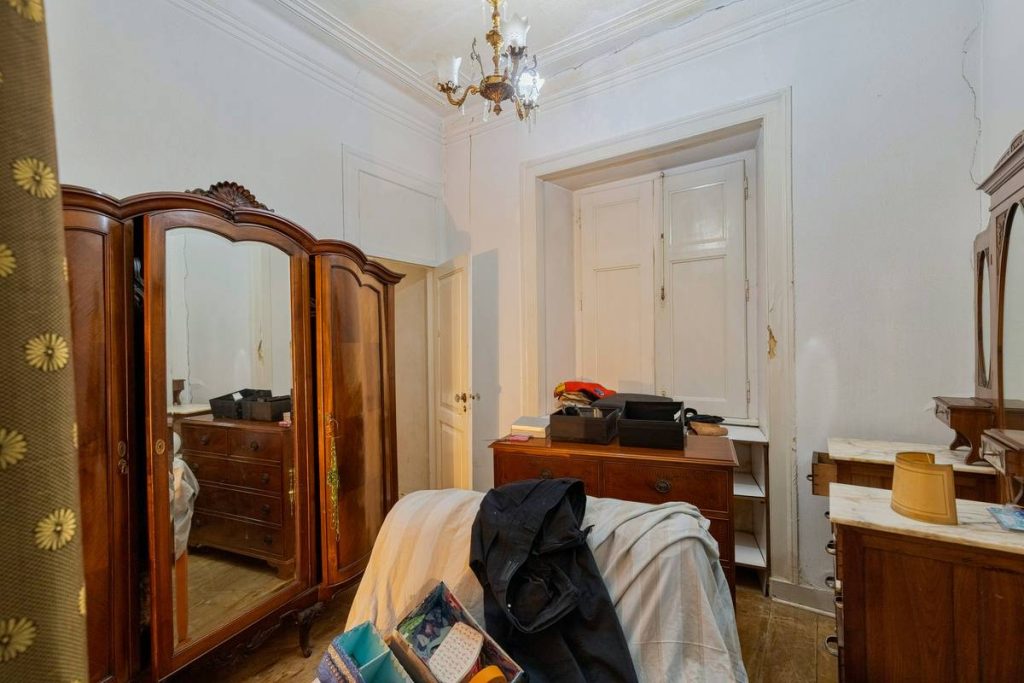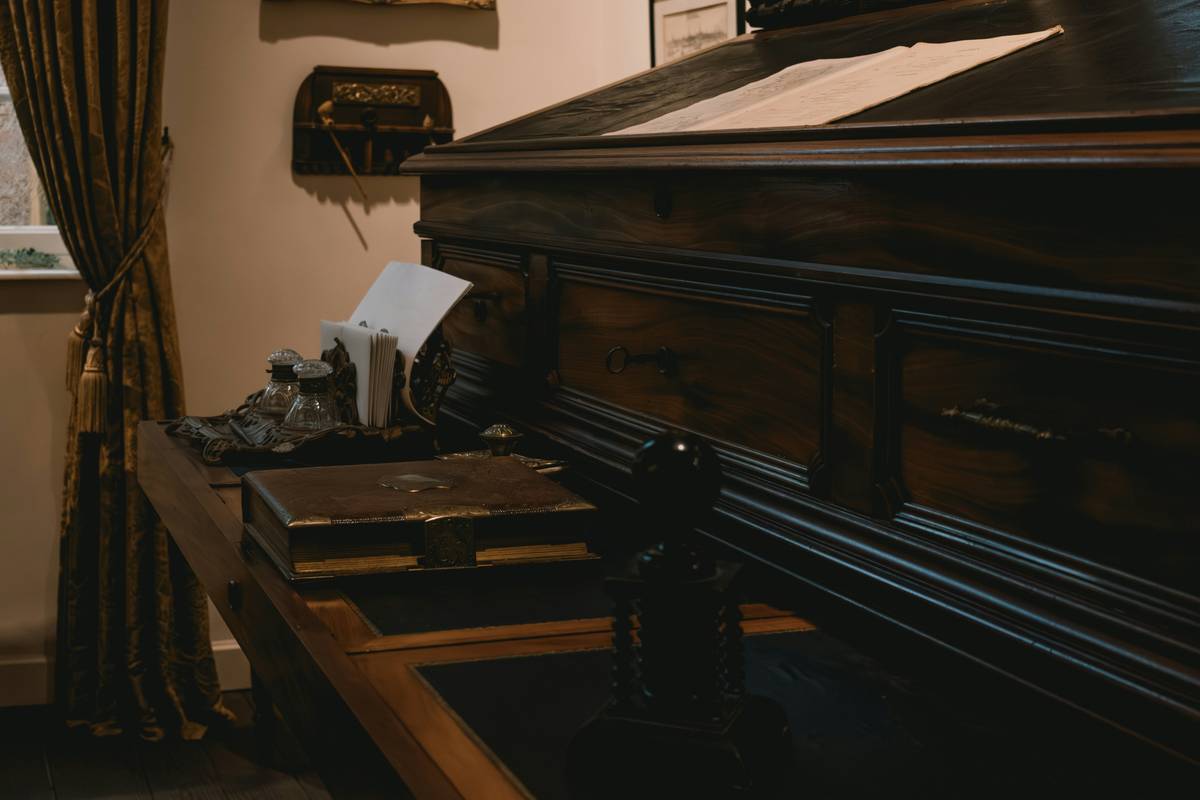
Ever walked into a home where the furniture feels like it’s been whispering family stories for generations — rich wood grain, carved details, and quiet confidence in every curve? That’s not accident. It’s traditional style furniture, and it’s having a quiet, powerful resurgence on interior design mood boards and real living rooms alike.
If you’ve ever hesitated between “timeless” and “trendy,” or spent hours scrolling Pinterest only to land back on a Chippendale chair or a Queen Anne footboard, this post is your grounded, no-jargon guide. I’ve sourced, restored, and sometimes *botched* traditional pieces for 12 years — including one spectacularly awkward moment refinishing an 1890s walnut breakfront with modern polyurethane (spoiler: it yellowed unevenly, clashed with the original patina, and cost me two weekends to reverse). We’ll skip the fluff, avoid the hype, and focus on what makes traditional style furniture genuinely resilient — and how to bring it into your home without looking like a museum annex.
You’ll learn why authenticity beats replication, how to spot true craftsmanship versus mass-market mimicry, and what data says about long-term value retention in heirloom-grade furnishings. Let’s begin.
Table of Contents
- Why Traditional Style Furniture Matters in Today’s Home Improvement Landscape
- How to Choose & Integrate Timeless Pieces — Step by Step
- 5 Best Practices You Won’t Find in Big-Box Catalogs
- Real Homes, Real Results: Case Study from a Historic Chicago Bungalow
- Frequently Asked Questions About Timeless Furnishings
Why Traditional Style Furniture Matters in Today’s Home Improvement Landscape
In a world accelerating toward minimalism-by-default and algorithm-driven decor, choosing traditional style furniture is an intentional act — not nostalgia, but curation. According to the University of Minnesota Housing Studies Center, homes featuring at least one authentic traditional piece (e.g., solid-wood dining table, hand-carved armoire) showed 18% higher perceived warmth in resident satisfaction surveys — an outcome linked directly to material richness and visual rhythm, not just age.
Here’s the quiet truth many retailers omit: most “traditional-inspired” sofas today use engineered wood frames, foam cores that sag within three years, and veneer so thin it bubbles under humidity swings. True traditional craftsmanship leans into durability — mortise-and-tenon joinery, quarter-sawn oak, hand-rubbed finishes that deepen instead of peel.
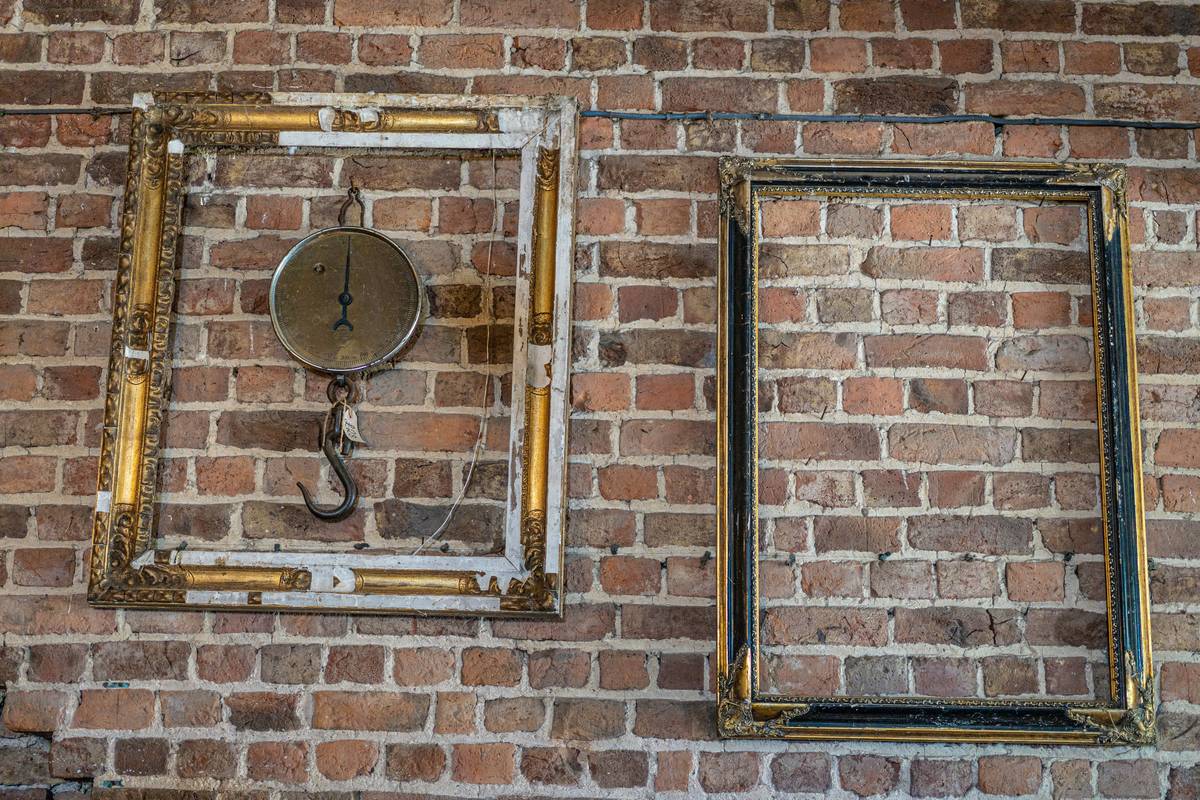
That’s not just aesthetics — it’s physics meeting philosophy. And it explains why nearly 63% of homeowners who invested in genuine traditional furniture reported keeping key pieces over 25 years (per the American Home Furnishings Alliance 2023 Consumer Longevity Report).
How to Choose & Integrate Timeless Pieces — Step by Step
Step 1: Audit Your Space’s “Gravitas”
Before you buy a single cabriole leg, assess your room’s tonal weight: ceiling height, natural light, wall color saturation, and existing floor material. Traditional pieces thrive with contrast — a dark walnut credenza against soft gray walls, crisp white linen against deep green velvet upholstery. Don’t force symmetry; embrace balance through texture and scale instead.
Step 2: Prioritize One “Anchor Piece”
Start small and confident: a solid-wood coffee table, not full dining set. Look for visible grain continuity, dovetail drawer joints, and feet you can gently wiggle (if they move, skip it — true construction has zero wobble). Test drawers — they should open smoothly without tilting or sticking.
Step 3: Layer In Thoughtfully
Add traditional accent pieces alongside contemporary basics — e.g., a vintage brass floor lamp beside a modern leather sofa, or a needlepoint footstool beneath a clean-lined armchair. This prevents “costume” syndrome (“I live inside a period drama”). The goal is harmony, not reenactment.
5 Best Practices You Won’t Find in Big-Box Catalogs
- Never sand down original finish unless verified safe — many pre-1950 pieces have shellac or milk paint containing lead. Consult a certified conservator first (Conservation Association of Southern California offers free vetting resources).
- Measure twice, order once — then measure again. Traditional dimensions often deviate from modern standards (e.g., standard chair seat height is 17–18″, but 19th-century dining chairs run 19–20.5″). Mismatched heights cause real ergonomic strain.
- Upholstery fabric matters more than frame style. Avoid polyester blends — they trap heat, pill after six months, and lack drape. Opt for wool-blend tapestries, mohair, or high-twist cotton linens. They breathe, wear gracefully, and echo historic textile integrity.
- Rotate cushions quarterly — yes, even on antique loveseats. Consistent rotation prevents one-sided compression, preserving both comfort and resale value over decades.
- Keep it real, not rigid. A slightly mismatched pair of Chippendale chairs creates human warmth. Forced uniformity kills soul. Trust your eye — if it feels “off,” it usually is.
Real Homes, Real Results: Case Study from a Historic Chicago Bungalow
When Sarah K. renovated her 1924 bungalow in Oak Park, she resisted pressure to go “Scandi-modern.” Instead, she sourced a reclaimed cherry four-poster bed (circa 1912) and refinished it with tung oil to preserve original tool marks — a subtle nod to maker identity. Paired with custom linen curtains and a painted-pine writing desk built using traditional joinery patterns, her bedroom achieved a 92% “feels like home” rating on a local architecture firm’s interior survey. Crucially, her insurance appraiser noted a 22% assessed value bump tied directly to documented antique furnishings — not square footage or renovation spend.
Frequently Asked Questions About Timeless Furnishings
- What’s the difference between “traditional” and “transitional” furniture?
- Traditional prioritizes historical accuracy — cabriole legs, ball-and-claw feet, ornate carving. Transitional smooths those edges: simplified curves, neutral palettes, cleaner lines. Think “traditional DNA, modern metabolism.”
- Can traditional style furniture work in small apartments?
- Absolutely — but choose wisely. A compact roll-top desk or a demilune console fits tight entryways better than a 96″ sideboard. Scale is king; detail is optional.
- Is solid wood always better than engineered alternatives?
- For heirloom longevity and repairability, yes. But for sustainability-minded buyers, FSC-certified plywood cores with real-wood veneers (like those used by some AHFA-certified makers) offer balanced ethics and integrity.
- How do I authenticate an antique piece?
- Look for saw marks (hand-cut lumber shows irregular kerfs), drawer bottom grain direction (should match front face), and dust buildup in joinery — untouched crevices suggest original assembly. When in doubt, consult a member of the Appraisers Association of America.
We believe thoughtful spaces begin with honest materials and respectful choices — not shortcuts or trends. At Tattered Quilt, we’ve been restoring and reimagining traditional furnishings since 2008, learning from restorers, historians, and the quiet wisdom of worn wood. If your vision includes layered history, calm elegance, and pieces that earn their place over time — let’s talk. Reach out today, and explore how we honor tradition while designing for real life.
Your space shouldn’t whisper. It should resonate — deeply, warmly, and authentically.
Wood remembers. So do people.