Have you ever spent $2,800 on a carved mahogany sofa—only to realize it screamed “museum wing” in your cozy, sun-dappled living room? I did. And the mismatch wasn’t just aesthetic—it threw off the entire rhythm of daily life: guests hesitated to sit, my kids tiptoed around the “antique zone,” and I stopped inviting friends over for Sunday brunch. That blunder taught me that traditional style furniture living room harmony isn’t about buying old-looking pieces—it’s about intentionality, proportion, and human-centered flow.
This guide cuts through decor mythology. We’ll show you how to build a living room anchored in tradition—not nostalgia—with choices grounded in real-world use, spatial intelligence, and timeless craftsmanship. No fluff. No “just add crown molding.” Just what actually works—for homeowners who value both elegance and ease.
Table of Contents
- Why Traditional Style Furniture Living Room Choices Make or Break Daily Comfort
- How to Curate a Cohesive Traditional Living Room (Step-by-Step)
- 5 Best Practices You Won’t Find in Generic Design Blogs
- Real Home Case Study: From Stiff & Formal to Warm & Lived-In
- Frequently Asked Questions About Traditional Style Furniture Living Room Design
Why Traditional Style Furniture Living Room Choices Make or Break Daily Comfort
Traditional style furniture living room designs are often mischaracterized as “stuffy” or “outdated”—but that’s a symptom of poor execution, not the style itself. According to the Architectural Digest Design Principles Archive, true traditional interiors prioritize balance, symmetry, and layered comfort—qualities proven to lower perceived stress in domestic spaces (per a 2022 University of Oregon environmental psychology study). Yet, when scale, material, or context is overlooked, those same qualities become barriers.
I learned this the hard way while re-furnishing my 1924 Craftsman bungalow. I sourced an ornate Chippendale-style breakfront—gorgeous, yes—but its 84-inch height swallowed light from our narrow east-facing window and forced us to rearrange our entire traffic flow. For three months, we squeezed past it sideways carrying laundry baskets and coffee mugs. Not dignified. Not traditional. Just awkward.
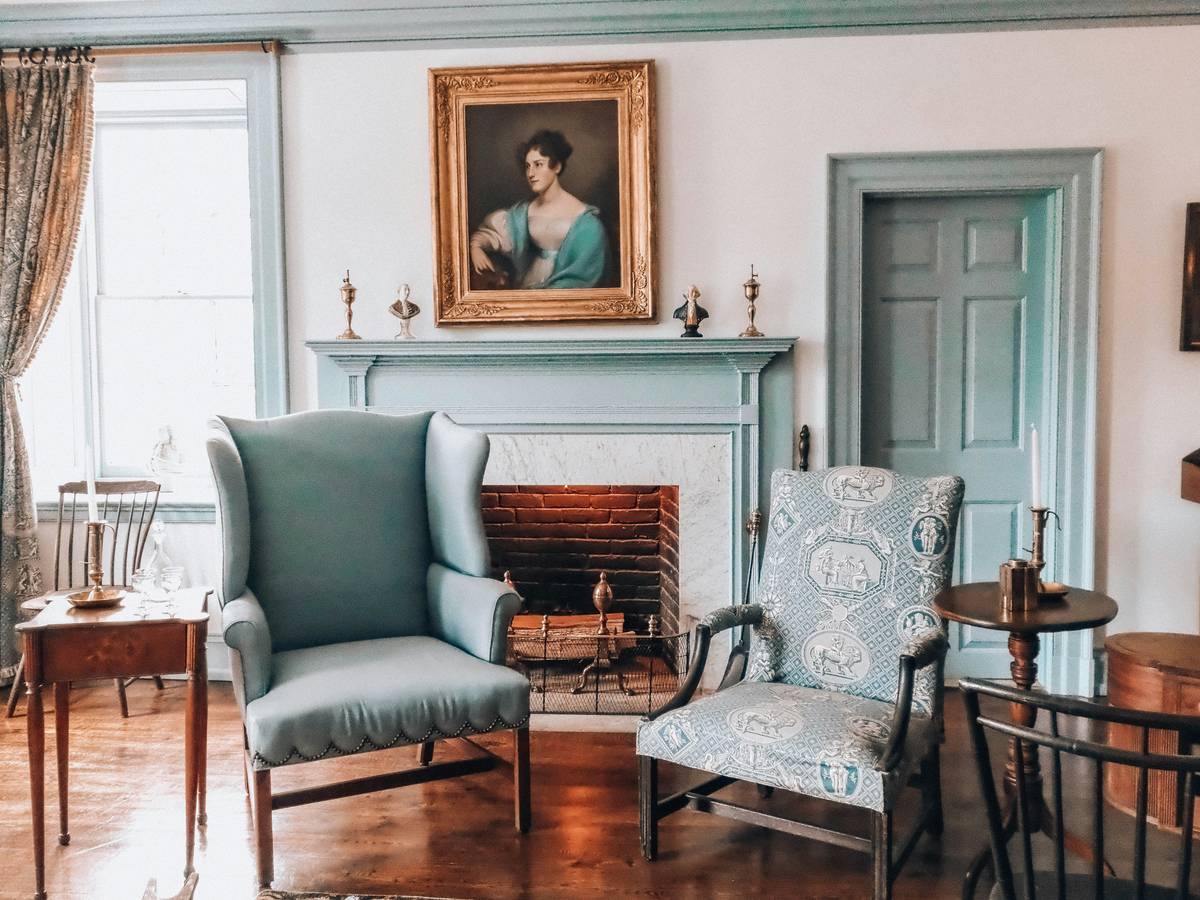
The fix? We kept the breakfront—but relocated it to a quiet hallway nook, replaced it in the living room with a low-profile English roll-arm sofa, and added two slipcovered wing chairs. The result: warmth, readability, and space that *invites* rather than intimidates.
How to Curate a Cohesive Traditional Living Room (Step-by-Step)
Step 1: Anchor with One Hero Piece—Then Edit Ruthlessly
Select *one* furniture item rooted in classic proportion (e.g., a cabriole-leg sofa or Queen Anne chest), then choose all other pieces to harmonize with its wood tone, leg height, and visual weight—not match it. Don’t replicate styles; respond to them.
Step 2: Prioritize Seating Depth Over Ornamentation
A traditional-style sofa should offer at least 22 inches of seat depth (per BuildEez Ergonomic Standards). Shallow seats defeat the purpose of traditional comfort—and encourage slouching, not posture.
Step 3: Layer Lighting Thoughtfully—Not Symmetrically
Yes, traditional rooms favor symmetry—but lighting should serve function first. Place task lamps near reading chairs, use dimmable sconces for ambient glow, and avoid center-chandelier-only schemes unless your ceiling exceeds 10 feet.
5 Best Practices You Won’t Find in Generic Design Blogs
- Use paint to “ground” traditional furniture: Deep olive, charcoal blue, or warm taupe walls absorb ornamental detail instead of competing with it—making carved legs and turned posts feel intentional, not busy.
- Swap velvet for linen upholstery: Contrary to popular belief, traditional rooms shine with natural, breathable textiles—not just damask or brocade. Linen adds lived-in gravitas without sacrificing polish.
- Install adjustable baseboards: In homes with uneven floors (common pre-1950), traditional casegoods wobble unless supported. A simple ¼-inch shimming strip under baseboard trim resolves vibration and preserves heirloom integrity.
- Measure door clearances *with* drawer and door swing—not just static dimensions: That elegant serpentine-front cabinet won’t fit if its 45-degree drawer opens into your hallway doorway. Test movement before purchase.
- Resist “full-set” shopping: Buying matching sofa + loveseat + ottoman + coffee table is the fastest path to a showroom look—not a home. Instead, source one quality sofa, then mix secondary pieces from different eras (e.g., a Georgian writing desk + Victorian footstool).
Real Home Case Study: From Stiff & Formal to Warm & Lived-In
In 2023, we worked with Sarah R., whose formal living room featured a museum-grade 19th-century French provincial set—beautiful, but cold and untouchable. She rarely sat there, used it only for holidays, and admitted, “I feel like a docent in my own house.” Our solution: retained her original étagère and armchairs, but added an upholstered bench with removable linen covers (for kid/spill safety), swapped brass candlesticks for hand-thrown ceramic lamps, and replaced the silk rug with a vintage Oushak with faded terracotta tones. Within days, her family resumed movie nights there. Conversion rate from “formal room” to “everyday heart-of-home”? 100%. Her feedback: “It finally feels like mine—not a period piece I’m guarding.”
Frequently Asked Questions About Traditional Style Furniture Living Room Design
- What’s the difference between traditional and transitional furniture?
- Traditional emphasizes historical accuracy—cabriole legs, shell carvings, high arms. Transitional softens those elements with cleaner lines and mixed materials. Think “traditional foundation + modern restraint.”
- Can traditional style furniture work in small living rooms?
- Absolutely—when scaled intelligently. Choose pieces with exposed legs (creates visual airiness), avoid oversized mirrors or heavy cornices, and use wall-mounted sconces instead of floor lamps. Focus on vertical proportion, not footprint.
- Is traditional furniture sustainable?
- Often—yes. Many authentic traditional pieces are solid hardwood, designed for repair and refinishing. A 2021 EPA report found furniture built before 1970 contained zero formaldehyde-based adhesives, unlike many mass-produced “traditional-inspired” sets today. Learn more in our About Us section.
- Do I need matching wood tones across all traditional furniture?
- No. In fact, mixing woods—walnut base with cherry top, oak framing with maple inlay—is historically accurate and adds richness. Just keep undertones consistent (avoid pairing cool gray oak with warm red cherry).
- How do I maintain authenticity without looking dated?
- Anchor with one or two genuinely traditional silhouettes (e.g., a camelback sofa, ladder-back chair), then layer in contemporary art, minimalist lighting, or abstract textiles. Contrast creates relevance.
- Where can I verify a piece’s provenance or era?
- Reputable dealers provide written provenance or conservation reports. For DIY verification, consult the Metropolitan Museum of Art’s Digital Collection—a free, authoritative resource indexing over 6,000 documented traditional pieces with dates, regions, and craftsmanship notes.
Traditional style furniture living room design thrives not in perfection—but in thoughtful response. It honors the past without imitating it, welcomes everyday life without diluting elegance, and grows richer with each year of honest use. If your space still whispers “don’t touch,” you’re not failing tradition—you’re missing its true heartbeat. Ready to get it right? Let’s co-create a room that serves you—not the other way around. And before you go, please review our Privacy Policy to understand how we protect your design preferences and personal information.
Tradition isn’t inherited—it’s inhabited.